

Dental Bridges
Missing teeth can significantly impact your confidence, oral function, and overall dental health. At our Wilsonville dental practice, our skilled team of dentists provides high-quality dental bridges to restore the appearance and function of your smile. Whether you’ve lost a tooth due to injury, decay, or gum disease, a dental bridge is a proven solution that can bring back your ability to speak, eat, and smile with ease.
What Is a Dental Bridge?
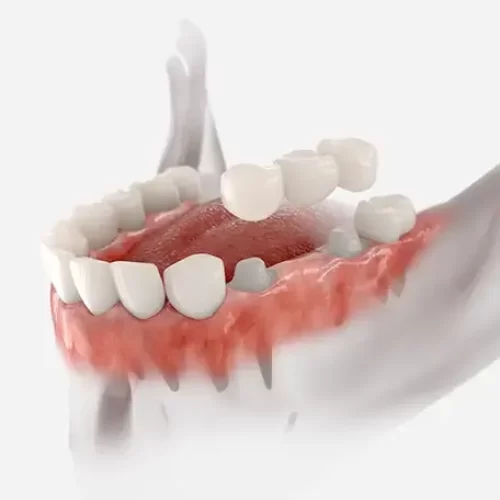
A dental bridge is a fixed prosthetic device used to replace one or more missing teeth. It literally “bridges” the gap between remaining teeth by anchoring artificial teeth (pontics) to the adjacent natural teeth or dental implants. Dental bridges are custom-made to match your existing teeth in size, shape, and color, providing a seamless and functional result.
Types of Dental Bridges
Our Wilsonville dentists will evaluate your specific needs and recommend the most appropriate type of bridge for your oral health and goals. The main types of dental bridges include:
1. Traditional Dental Bridge
This is the most common type of bridge, consisting of one or more pontic teeth held in place by dental crowns cemented onto the adjacent natural teeth. It is ideal for patients with healthy teeth on both sides of the gap.
2. Cantilever Bridge
Used when only one adjacent tooth is available for support. While not as common, cantilever bridges can be effective in certain situations where a traditional bridge isn’t possible.
3. Maryland Bonded Bridge
Also known as a resin-bonded bridge, this option uses a metal or porcelain framework bonded to the backs of adjacent teeth. It is less invasive and preserves more of the natural tooth structure.
4. Implant-Supported Bridge
For patients missing multiple teeth, an implant-supported bridge uses dental implants rather than natural teeth for support. This is one of the most stable and durable solutions available.
Benefits of Dental Bridges
Dental bridges offer a wide range of health, functional, and cosmetic benefits. Some of the most notable advantages include:
Restored function: Bridges enable proper chewing and speaking, which can be compromised by missing teeth.
Enhanced appearance: A well-crafted bridge blends with your natural teeth, restoring a complete and confident smile.
Prevents shifting: Replacing missing teeth helps prevent neighboring teeth from shifting out of alignment.
Maintains facial shape: Tooth loss can lead to facial sagging over time. Bridges help preserve your natural facial structure.
Improved bite balance: By filling in gaps, bridges restore even bite distribution and reduce strain on remaining teeth.
The Dental Bridge Procedure
Getting a dental bridge typically involves two to three visits to our Wilsonville dental office. Here’s what you can expect:
1. Consultation and Planning
Our team will perform a comprehensive exam, take digital X-rays, and discuss your treatment options. If a dental bridge is right for you, we’ll determine the type and design that best fits your needs.
2. Tooth Preparation
For traditional bridges, the adjacent teeth (abutments) are carefully shaped to accommodate dental crowns. Impressions are then taken to ensure a precise fit for the bridge.
3. Temporary Bridge Placement
A temporary bridge may be placed to protect your teeth and gums while your permanent bridge is being fabricated by a dental lab.
4. Permanent Bridge Placement
Once your custom bridge is ready, we’ll remove the temporary and cement the permanent bridge in place, making final adjustments to ensure comfort and bite alignment.
How Long Do Dental Bridges Last?
With proper care, dental bridges can last 10 to 15 years or longer. The longevity of your bridge depends on several factors, including oral hygiene habits, diet, and regular dental visits. We recommend:
Brushing twice daily and flossing carefully around the bridge
Using a floss threader or water flosser to clean beneath the pontic
Avoiding overly hard or sticky foods that could damage the bridge
Visiting our office every six months for cleanings and exams
Are You a Candidate for a Dental Bridge?
Dental bridges are an excellent option for many patients who have lost one or more teeth and still have strong adjacent teeth or dental implants. Ideal candidates include:
Patients with a healthy jawbone and gums
Individuals seeking a non-removable alternative to dentures
Those who want to restore both function and appearance quickly
People unable to receive dental implants for medical or financial reasons
During your consultation, our Wilsonville dentists will evaluate your oral health and discuss all available tooth replacement options with you, including bridges, implants, and partial dentures.
Why Choose Wilsonville Dental Group?
Our experienced dental team is proud to provide personalized, high-quality care in a friendly and professional setting. When you choose us for your dental bridge treatment, you benefit from:
Multi-specialty expertise: Our practice brings together restorative, cosmetic, and general dentists who collaborate to deliver optimal outcomes.
Advanced technology: We use digital imaging, intraoral cameras, and precision techniques to ensure accuracy and comfort.
Custom craftsmanship: Every bridge is designed to fit your bite and match your smile for a natural look and feel.
Flexible payment options: We work with most dental insurance providers and offer financing plans to help make your treatment affordable.
Restore Your Smile with a Dental Bridge
You don’t have to live with the discomfort or insecurity of missing teeth. A dental bridge can dramatically improve your quality of life by restoring function, comfort, and confidence. Let our experienced dentists in Wilsonville, OR, help you rediscover your smile with a solution that fits your lifestyle and goals.
Call us today to schedule your consultation and learn how a dental bridge can be part of your personalized treatment plan.
Frequently Asked Questions
How long does it take to get a dental bridge?
The process typically takes two to three appointments over a few weeks. The timeline may vary depending on the type of bridge and your specific needs.
Is the dental bridge procedure painful?
No, the procedure is generally comfortable. Local anesthesia is used to numb the area, and most patients experience only mild soreness afterward.
Can a dental bridge be removed?
Most dental bridges are fixed and not designed to be removed. If you’re looking for a removable option, partial dentures may be a better fit.
How do I care for my dental bridge?
Good oral hygiene is essential. Brush twice daily, floss with a threader, and visit your dentist regularly for cleanings and checkups to maintain your bridge’s longevity.
Will my bridge look natural?
Yes. Dental bridges are custom-made to match your existing teeth in color and shape, resulting in a natural-looking and aesthetically pleasing smile.