
Dental Bonding
If you’re looking for a simple, fast, and affordable way to improve the appearance of your smile, dental bonding may be the perfect solution. At our Wilsonville dental practice, our skilled team of dentists provides expert cosmetic bonding treatments to repair chipped, cracked, discolored, or uneven teeth. With dental bonding, you can achieve a brighter, more symmetrical smile in just one visit—no anesthesia or downtime required.
What Is Dental Bonding?
Dental bonding is a cosmetic procedure that uses a tooth-colored composite resin to correct minor imperfections in your teeth. The resin is applied, sculpted, hardened with a special curing light, and then polished to match the natural appearance of your teeth. This technique is ideal for patients who want an affordable, non-invasive alternative to veneers or crowns for cosmetic improvements.
What Can Dental Bonding Fix?
Dental bonding is a versatile solution that can address a wide range of cosmetic concerns, including:
Chipped or cracked teeth
Gaps between teeth (diastema)
Discolored or stained teeth
Teeth that are irregularly shaped or too small
Exposed tooth roots due to gum recession
Minor decay (as a cosmetic filling)
If you have cosmetic imperfections that are affecting your confidence, dental bonding can offer a conservative, yet highly effective fix without the need for extensive dental work.
Benefits of Dental Bonding
Patients in Wilsonville choose dental bonding for many reasons. Here are some of the key benefits:
Quick and Convenient: Most bonding procedures can be completed in under an hour, with immediate results.
Non-Invasive: In many cases, little to no enamel needs to be removed, and no anesthesia is required.
Cost-Effective: Dental bonding is typically more affordable than porcelain veneers or crowns.
Natural Appearance: The composite resin is color-matched to your natural teeth for a seamless finish.
Safe and Comfortable: Bonding is a conservative treatment that preserves your natural tooth structure.
The Dental Bonding Process
Dental bonding is one of the simplest cosmetic procedures we offer at our Wilsonville office. Here’s what you can expect:
1. Consultation
We begin with a thorough examination and discussion of your cosmetic goals. We’ll determine if bonding is the right treatment or if other options like veneers or whitening might be more appropriate.
2. Tooth Preparation
The surface of the tooth is gently etched and coated with a conditioning liquid to help the resin adhere. In most cases, no anesthesia is needed unless bonding is being used to fill a cavity.
3. Application of Composite Resin
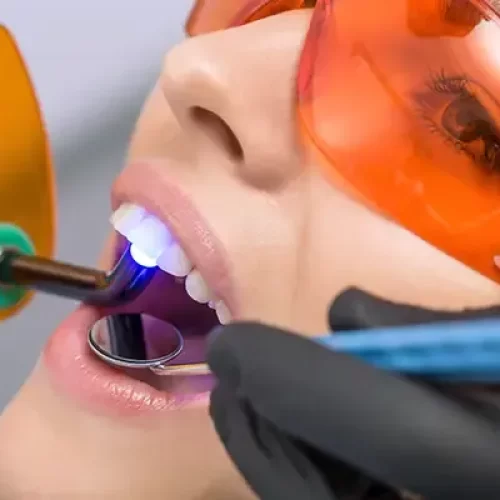
The tooth-colored resin is carefully applied to the affected tooth, sculpted into the desired shape, and then hardened using a high-intensity curing light.
4. Finishing Touches
Once the resin is set, we trim, shape, and polish it until it blends seamlessly with your natural enamel for a smooth, natural-looking result.
How Long Does Dental Bonding Last?
With proper care, dental bonding can last between 3 to 10 years. Its durability depends on factors such as the location of the bonding, your oral habits, and how well you maintain your dental hygiene. While not as long-lasting as veneers or crowns, bonding is easy to repair and reapply if needed.
To extend the life of your bonded teeth, we recommend:
Avoid biting on hard objects (ice, pens, fingernails)
Brush and floss daily to maintain oral health
Limit consumption of staining foods and drinks like coffee, tea, and red wine
Visit our office regularly for professional cleanings and checkups
Is Dental Bonding Right for You?
Dental bonding is an excellent option for patients who want to improve the aesthetics of their smile without the cost or commitment of more invasive procedures. You may be a good candidate if you:
Have minor chips, gaps, or stains
Are looking for a fast and affordable cosmetic fix
Prefer a reversible and minimally invasive treatment
Have healthy teeth and gums with no active decay or gum disease
Our experienced dentists in Wilsonville will assess your needs and help you decide whether bonding or another cosmetic treatment best suits your goals.
Why Choose Wilsonville Dental Group?
Our multi-dentist team is proud to offer expert cosmetic dentistry services tailored to your smile. With years of combined experience and a commitment to patient-centered care, we deliver beautiful, natural-looking results using the latest techniques and high-quality materials.
Here’s what sets our practice apart:
Skilled cosmetic dentists: Our team has a strong focus on aesthetic dentistry and precision techniques.
Comfortable environment: We prioritize your comfort and make every visit a pleasant experience.
Comprehensive care: From routine cleanings to advanced smile makeovers, all services are available under one roof.
Flexible scheduling and financing: We work with most insurance plans and offer flexible payment options to fit your budget.
Enhance Your Smile Today
If you’re ready to correct minor imperfections and enjoy a more confident smile, dental bonding is a quick and effective solution. Whether you’re fixing a chipped tooth or closing a small gap, our skilled dentists in Wilsonville, OR, are here to help you achieve beautiful results—often in just one visit.
Call us today to schedule your consultation and learn how dental bonding can enhance your smile with minimal time and investment.
Frequently Asked Questions
Is dental bonding painful?
No. Most bonding procedures are completely painless and do not require anesthesia unless used to fill a cavity or repair deeper damage.
Can bonded teeth be whitened?
Bonded resin does not respond to whitening treatments. If you’re considering whitening, it should be done before bonding so the resin can be matched to your brightened teeth.
How does bonding compare to veneers?
Bonding is less expensive and less invasive but not as durable or stain-resistant as porcelain veneers. It’s ideal for minor cosmetic fixes.
Can dental bonding break or chip?
Yes, bonding is strong but not as hard as enamel or porcelain. Avoid biting hard objects and take care of your teeth to prevent damage.
Is bonding covered by insurance?
If dental bonding is done for restorative purposes, such as fixing a chipped tooth or filling a cavity, it may be partially covered by insurance. Cosmetic procedures are usually not covered.